




How to Prevent Sewage Pump Blockages
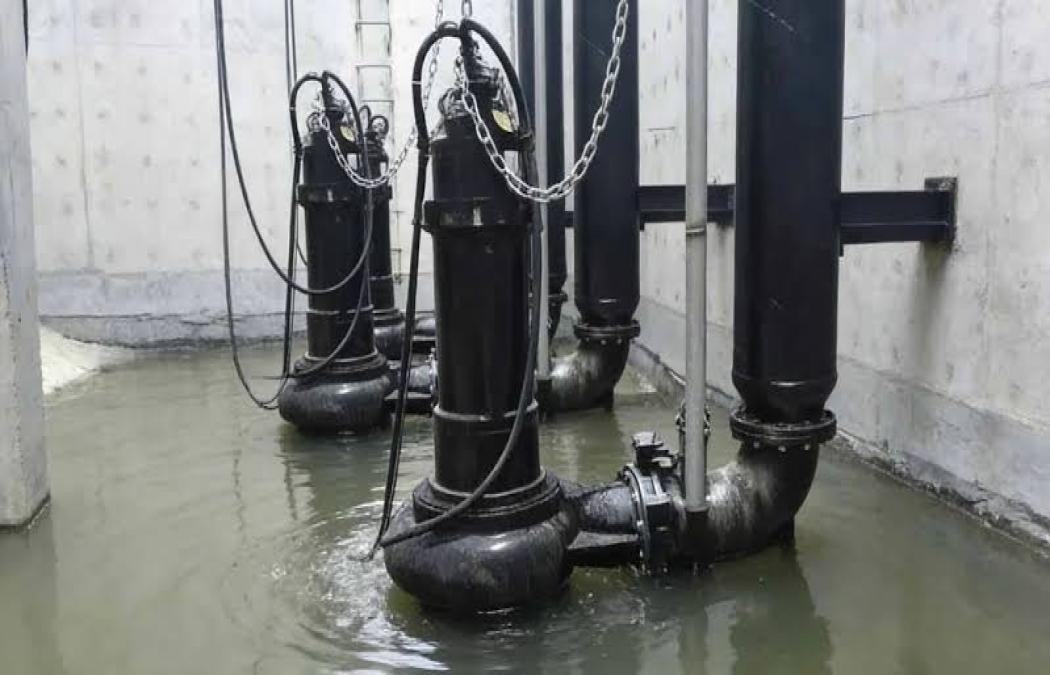
A sewage pump can be one of the most hardworking pieces of equipment in a building.
Every day, it may be moving wastewater from toilets, bathrooms, kitchens, laundry areas, commercial facilities, or industrial spaces without anyone giving it much thought.
And that’s usually how it should be.
A properly selected and installed sewage pump should operate quietly in the background, doing an important job that most people only notice when something goes wrong.
Then one day, the toilet refuses to drain.
The wastewater level in the sewage pit starts rising.
The pump begins making an unusual noise.
Maybe it hums but doesn’t discharge.
Or perhaps the pump runs continuously but the water level barely drops.
Eventually, someone opens the inspection chamber and discovers the problem:
The sewage pump is blocked.
In many cases, the pump itself isn’t necessarily poorly designed or defective.
The problem is what has been allowed to enter the drainage system.
Wet wipes. Plastic. Sanitary products. Cloth. Grease. Hair. Food waste. Building materials. Sometimes even objects that have absolutely no business being anywhere near a toilet.
A sewage pump is designed to handle wastewater and, depending on its design, certain amounts and types of solids. It is not a rubbish disposal machine.
The good news is that many sewage pump blockages are preventable.
In this guide, we’ll explain what causes sewage pump blockages, the things you should never flush or pour into your drainage system, how to reduce the risk of clogging, and what to do when your sewage pump is already blocked.
Why Sewage Pump Blockages Are So Common
Let’s be honest.
Most people don’t think about what happens after they flush a toilet.
You press the button or pull the handle, the water disappears, and you move on with your day.
But somewhere beneath the building, that wastewater is travelling through pipes and eventually reaching a sewage collection chamber.
If your property uses a sewage pump, the wastewater may then be collected in a sump or sewage pit before the pump moves it to a septic tank, biodigester, sewer line, or wastewater treatment system.
Everything that enters the drainage system becomes part of that journey.
This means a small piece of plastic that disappears down the toilet doesn’t magically disappear.
It can eventually become a serious problem for your sewage pump.
A piece of cloth can wrap around an impeller.
Grease can accumulate inside pipes.
Wet wipes can combine with hair and other materials to create a large mass.
Sand and cement can settle inside the system.
The result?
Restricted flow, increased motor load, pump failure, and potentially expensive repairs.
What Causes a Sewage Pump to Become Blocked?
The most common causes include:
- Foreign objects entering the drainage system
- Wet wipes
- Sanitary products
- Diapers
- Plastic materials
- Cloth and rags
- Hair
- Grease and cooking oil
- Food waste
- Excessive paper products
- Sand
- Cement
- Building debris
- Stones
- Poorly designed pipework
- Inadequate pump selection
- Lack of routine maintenance
Some blockages are caused by a single object.
Others develop gradually as several materials combine.
For example:
Hair + grease + wipes + wastewater = a serious blockage.
This is why prevention is so important.
15 Things You Should Never Flush Down Your Toilet
One of the simplest ways to protect your sewage pump is to control what enters the drainage system.
Here are some of the biggest offenders.
1. Wet Wipes
Wet wipes are one of the biggest problems for sewage systems.
Even when a product is marketed as “flushable,” that does not necessarily mean it will behave like toilet paper once it enters a sewage pumping system.
Many wipes are stronger and more resistant to breaking apart.
Instead of disintegrating quickly, they can remain intact and become tangled with other materials.
Once they reach a pump, they can wrap around the impeller and interfere with normal operation.
Better option:
Put used wipes in a suitable waste bin rather than flushing them.
This is particularly important in properties using sewage pumps.
2. Sanitary Pads and Tampons
Sanitary products should never be flushed down the toilet.
They are designed to absorb liquid and retain their structure.
Once inside a drainage system, they can swell, become lodged in pipes, or interfere with the pump.
In commercial buildings such as hotels, schools, offices, and public facilities, proper sanitary waste bins should be provided in toilets.
A simple waste bin can prevent a surprisingly expensive sewage pump repair.
3. Baby Diapers
A diaper can cause serious problems in a wastewater system.
It contains absorbent material designed to retain liquid and can become significantly larger when wet.
A sewage pump is not designed to process a diaper.
If one reaches the pump, it can obstruct the inlet or become caught around the pumping mechanism.
Diapers belong in a waste bin—not in a toilet.
4. Plastic Bags
Plastic bags are particularly dangerous because they don’t break down like toilet paper.
A plastic bag can become trapped around the pump’s impeller or obstruct the suction path.
This can cause:
- Reduced flow
- Increased motor load
- Overheating
- Pump blockage
- Electrical tripping
- Complete pump failure
Never use the toilet or drainage system as a disposal point for plastic bags.
5. Cloth, Rags and Cleaning Materials
This is a common problem in commercial properties.
A small piece of cloth may seem harmless.
It isn’t.
Fabric can become wrapped around rotating pump components and restrict movement.
Cleaning rags, mop strings, towels, underwear, socks, and other fabrics should never enter a sewage system.
6. Cotton Wool and Cotton Buds
Cotton products absorb water and do not break down quickly enough to safely pass through many sewage systems.
Cotton buds can also become lodged in pipes or combine with other debris.
Dispose of them in a waste bin.
7. Hair
Hair is another common contributor to blockages.
A single strand may not seem significant.
But over time, hair accumulates around:
Drain screens
Pipe bends
Pump components
Impellers
It can combine with grease, soap residue, wipes, and other materials to create a stubborn blockage.
Install suitable drain screens where appropriate and remove accumulated hair regularly.
8. Cooking Oil and Grease
This one deserves special attention.
Never pour large quantities of cooking oil or grease down the drain.
When hot, grease may flow easily.
Once it cools, it can stick to the inside of pipes.
Over time, deposits accumulate and reduce the internal diameter of the pipe.
The result is progressively restricted flow.
Eventually, the pipe may become severely blocked.
This is particularly important for:
- Restaurants
- Hotels
- Commercial kitchens
- Food-processing facilities
- Large residential compounds
Commercial kitchens may require appropriate grease management systems depending on the wastewater arrangement and applicable requirements.
9. Food Waste
Your toilet is not a waste disposal system.
Food scraps can contribute to blockages, particularly when combined with grease and other materials.
Rice, bones, vegetable peels, meat scraps, and other food waste should be disposed of appropriately.
10. Paper Towels
Paper towels are designed to be stronger than ordinary toilet paper.
That strength is useful when cleaning.
It is not useful inside a sewage pump.
Paper towels can remain intact, accumulate, and contribute to blockages.
Use toilet paper as intended and dispose of paper towels in a waste bin.
11. Building Materials
This is especially important during construction and renovation.
Never allow materials such as:
- Cement
- Sand
- Plaster
- Grout
- Paint
- Tile adhesive
- Stones
- Concrete fragments
Construction dust
to enter toilets, floor drains, or wastewater pipes.
Once cement-based materials harden inside a pipe or pump system, removing them can become extremely difficult.
A sewage pump is not designed to handle construction waste.
12. Chemicals and Harsh Cleaning Products
Some cleaning chemicals can damage components of a wastewater system when used incorrectly or in excessive quantities.
More importantly, using aggressive chemicals as an attempt to “dissolve” a blockage may not solve the actual mechanical obstruction.
If the blockage is caused by a plastic bag, cloth, sanitary pad, or other solid object, pouring chemicals into the system won’t make the object disappear.
It can simply create another hazard for whoever eventually has to service the system.
13. Cat Litter and Similar Materials
Materials designed to absorb liquid can create problems when introduced into wastewater systems.
They may swell, accumulate, settle, or contribute to blockages.
They should be disposed of according to the product’s disposal instructions rather than flushed.
14. Medication and Other Unwanted Products
Unused medication should not be treated as ordinary toilet waste.
The wastewater system is designed to transport wastewater—not to act as a disposal route for unwanted products.
Where possible, follow appropriate disposal guidance for medicines and chemicals.
15. “Anything That Fits”
This may sound obvious, but it is one of the biggest problems.
The fact that something can fit through a toilet opening doesn’t mean the sewage pump can safely handle it.
A pump has an inlet, impeller, discharge passage, motor, seals, and other components designed around specific operating conditions.
Something can pass through the toilet and still become trapped later.
What About Toilet Paper?
Toilet paper is specifically manufactured to break down in water and is generally intended to be flushed.
However, excessive quantities can still contribute to problems, particularly in systems with existing restrictions or poor drainage.
If your sewage pump regularly struggles with ordinary toilet paper, the issue may be elsewhere.
There could be:
- A partially blocked pipe
- Poor pipe design
- An undersized system
- An unsuitable pump
- Insufficient flow
A damaged pump component
Don’t simply blame the toilet paper.
Investigate the system.
What Happens When a Sewage Pump Becomes Blocked?
A blockage doesn’t always cause immediate total failure.
It may begin with a small reduction in performance.
You might notice that:
- The pump takes longer to empty the pit.
- The pump runs longer than usual.
- The wastewater level rises higher.
- The motor becomes noisier.
- The pump vibrates more.
- The pump starts and stops abnormally.
- The circuit breaker begins tripping.
- Eventually, the pump may stop discharging completely.
- If the wastewater continues entering the pit, an overflow can occur.
That is when a relatively small blockage becomes a serious property and sanitation problem.
How a Blockage Can Damage the Pump
A blocked pump is not simply a plumbing inconvenience.
It can cause mechanical and electrical stress.
For example:
Foreign object enters system
↓
Object reaches pump
↓
Impeller becomes obstructed
↓
Motor struggles to rotate
↓
Current draw increases
↓
Motor overheats
↓
Protective device trips
↓
Pump stops
↓
Wastewater level rises
If the problem is repeatedly ignored, the motor or other components may eventually be damaged.
This is why addressing blockages early matters.
Signs Your Sewage Pump May Be Blocked
Watch out for these warning signs:
1. The Pump Is Running but Not Discharging
The motor may be operating, but wastewater isn’t moving properly.
This can indicate an obstruction in the pump or discharge system.
2. The Pump Takes Too Long to Empty the Pit
If the pump previously emptied the chamber quickly and now takes much longer, investigate.
3. The Pump Makes an Unusual Noise
Grinding, rattling, knocking, or humming may indicate an obstruction or mechanical problem.
4. The Circuit Breaker Keeps Tripping
A blocked impeller can increase motor load and cause electrical protection to operate.
5. The Pump Vibrates Excessively
A foreign object can interfere with the rotating assembly.
6. Wastewater Starts Backing Up
This is a major warning.
Don’t wait until the sewage pit overflows.
Can You Unblock a Sewage Pump Yourself?
This depends on the situation.
There are simple preventive tasks property owners can perform, such as keeping foreign objects out of drains and observing pump operation.
But physically opening and cleaning a sewage pump is a different matter.
A sewage pump may contain:
- Electrical connections
- Moving mechanical components
- Sharp edges
- Contaminated wastewater
- Biological hazards
- Heavy equipment
For safety reasons, pump isolation, removal, inspection, and internal cleaning should be handled by appropriately trained personnel using suitable protective equipment and procedures.
Never put your hand into a sewage pit to investigate a blockage.
How Professionals Deal With Sewage Pump Blockages
When a sewage pump is reported as blocked, a proper diagnosis should determine where the obstruction actually is.
It could be:
- At the pump inlet
- Around the impeller
- Inside the discharge pipe
- At a valve
- In the collection chamber
- Further downstream
A technician may inspect the pump, isolate the electrical supply, remove the equipment where necessary, inspect the pumping components, clear the obstruction, and test the system before returning it to service.
The objective isn’t merely to get the pump running again.
It is to determine why the blockage happened and how to prevent it from happening again.
How to Prevent Sewage Pump Blockages
Prevention begins with the people using the building.
A good sewage pump maintenance strategy should combine proper usage, good system design, and regular technical inspection.
1. Educate Everyone in the Building
This is especially important for:
- Hotels
- Schools
- Estates
- Hospitals
- Offices
- Restaurants
- Factories
People cannot follow rules they don’t know.
Put simple signs in toilets explaining what should and shouldn’t be flushed.
2. Provide Waste Bins
A toilet without a nearby waste bin makes improper disposal more likely.
Provide suitable bins in bathrooms, particularly where sanitary products are used.
3. Control Kitchen Waste
Restaurants and commercial kitchens should have appropriate systems for managing grease and food waste.
Do not rely on the sewage pump to deal with kitchen grease.
4. Protect Floor Drains
Use suitable drain screens or strainers where appropriate to prevent larger debris from entering the wastewater system.
These screens should themselves be cleaned regularly.
5. Inspect the Pump Regularly
Don’t wait until the pump stops working.
Routine inspection can identify:
- Debris
- Worn components
- Float switch problems
- Excessive vibration
- Electrical issues
- Pipe restrictions
6. Monitor Pump Performance
Pay attention to changes.
If the pump normally runs for two minutes but suddenly takes ten minutes to empty the chamber, don’t ignore it.
Something may have changed.
7. Service Commercial Systems More Carefully
A sewage pump serving a hotel with hundreds of guests has a very different workload from a pump serving a small family home.
High-use systems require a maintenance strategy appropriate to their operating conditions.
A Simple “Flush It or Bin It?” Rule
Here’s an easy way to educate your household, tenants, employees, or customers:
Flush:
Toilet paper and human waste.
Bin:
- Wet wipes
- Sanitary pads
- Tampons
- Diapers
- Cotton buds
- Cotton wool
- Paper towels
- Tissues where appropriate
- Plastic
- Cloth
- Hair
- Other solid waste
Never pour down the drain:
- Cooking oil
- Grease
- Cement
- Sand
- Paint
Construction materials
Large quantities of chemicals
When in doubt, put it in the appropriate waste bin rather than testing whether the sewage system can handle it.
Sewage Pump Blockages in Hotels, Estates and Commercial Buildings
Blockages become even more serious in commercial properties because the consequences affect many people.
Imagine a hotel where the sewage pump fails on a busy weekend.
Or an estate where wastewater starts backing up into several apartments.
Or a restaurant where the kitchen drainage system becomes blocked during peak operating hours.
The financial consequences can go far beyond the cost of repairing a pump.
You may have:
- Business interruption
- Emergency plumbing costs
- Property damage
- Cleaning costs
- Unpleasant odours
- Customer complaints
- Hygiene concerns
- Equipment downtime
For commercial facilities, preventive maintenance should therefore be treated as an operational necessity—not an optional expense.
Don’t Blame the Pump for Every Blockage
This is an important point.
When a sewage pump becomes blocked, the easiest conclusion is:
“The pump is bad.”
But that isn’t always true.
The actual problem may be:
- Incorrect pump selection
- Wrong discharge pipe size
- Poor pipe routing
- Inadequate solids handling capacity
- Incorrect installation
- Excessive debris entering the system
- Poor maintenance
- Faulty valves
- Collection chamber problems
A quality sewage pump installed into a poorly designed system can still perform badly.
That’s why proper diagnosis matters.
When Should You Replace a Sewage Pump?
A blockage does not automatically mean you need a new pump.
In many cases, the pump can be cleaned, repaired, or returned to service.
However, replacement may be appropriate if:
- The motor has suffered significant damage
- The impeller is severely worn
- The pump body is badly corroded
- Seals have failed repeatedly
- The pump is consistently undersized
- Spare parts are unavailable
- Repair costs are no longer economical
- The pump has repeatedly failed despite proper maintenance
The right decision should be based on the condition of the equipment and the requirements of the application.
Why Proper Sewage Pump Selection Matters
Prevention starts before the pump is even installed.
A properly selected sewage pump should be matched to the application’s:
- Required flow rate
- Total pumping head
- Pipe size
- Discharge distance
- Wastewater characteristics
- Solids requirements
- Operating frequency
- Electrical supply
Choosing a pump simply because it has a particular horsepower can lead to problems.
A pump that is suitable for a small residential property may not be appropriate for a large estate, hotel, hospital, or industrial facility.
The right pump is not necessarily the biggest pump or the cheapest pump.
It is the pump that is properly matched to the job.
How VoxVictoria Helps Prevent Sewage Pump Problems
At VoxVictoria Services Limited, we have seen how a seemingly small wastewater problem can quickly become an expensive emergency.
That’s why our approach goes beyond simply supplying a pump.
We look at the application as a complete system.
Depending on the project, our services can include:
- Sewage pump selection
- Pump sizing
- Sewage pump supply
- Sewage pump installation
- Pump inspection
- Preventive maintenance
- Blockage troubleshooting
- Pump replacement
- Float switch installation
- Control panel installation
- Wastewater system assessment
- Wastewater treatment solutions
Our goal is to help clients install systems that are reliable, practical, and appropriate for their actual operating conditions.
For a homeowner, that may mean preventing a sewage backup in the middle of the night.
For a hotel, it may mean keeping wastewater moving during peak occupancy.
For an estate, it may mean protecting multiple homes from a drainage failure.
For a business, it may mean avoiding unnecessary downtime.
Good sewage management is not just about buying a pump. It’s about designing, installing, operating, and maintaining the entire system properly.
Frequently Asked Questions About Sewage Pump Blockages
What causes a sewage pump to become blocked?
Common causes include wet wipes, sanitary products, diapers, plastic, cloth, hair, grease, food waste, construction debris, stones, and other foreign objects entering the wastewater system.
Can wet wipes block a sewage pump?
Yes. Wet wipes can remain relatively intact in wastewater and may become tangled around pump components or combine with other debris to form blockages.
Can grease damage a sewage pump?
Yes. Grease can accumulate inside wastewater pipes and restrict flow. Heavy grease deposits can eventually contribute to pump and drainage problems.
What should never be flushed down a toilet?
Avoid flushing wet wipes, sanitary products, diapers, paper towels, plastic, cloth, cotton buds, and other solid waste. Toilets should not be used as rubbish bins.
Why does my sewage pump keep getting blocked?
Repeated blockages may indicate improper disposal practices, unsuitable pump selection, poor pipe design, inadequate maintenance, or a problem somewhere else in the wastewater system.
How often should a sewage pump be cleaned?
The appropriate interval depends on the type of pump, wastewater characteristics, usage, and manufacturer’s recommendations. High-use commercial systems generally require more frequent inspection and maintenance.
Can a sewage pump blockage cause the circuit breaker to trip?
Yes. If a blockage restricts the impeller, the motor may experience increased mechanical resistance and draw excessive current, potentially causing protective devices to trip.
Can I use chemicals to unblock a sewage pump?
Chemical drain cleaners are not a universal solution for sewage pump blockages. They may not remove physical objects such as cloth, plastic, wipes, or sanitary products and can introduce additional hazards. Proper diagnosis is preferable.
Conclusion: Protect Your Sewage Pump Before It Fails
A sewage pump doesn’t usually wake up one morning and decide to stop working for no reason.
There is often a story behind the failure.
A foreign object entered the drainage system.
A blockage developed.
The impeller became restricted.
The motor worked harder.
The pump overheated.
And eventually, the system failed.
The good news is that many of these problems can be prevented.
Teach people what not to flush.
Keep grease and cooking oil out of wastewater pipes.
Prevent construction materials from entering drains.
Maintain your pump.
Pay attention to unusual noises and changes in performance.
And don’t wait until wastewater is overflowing before calling for help.
A little prevention can save you from an unpleasant and expensive sewage emergency.
At VoxVictoria Services Limited, we provide sewage pump supply, installation, maintenance, troubleshooting, repair, and wastewater solutions for residential, commercial, and industrial properties.
If your sewage pump is repeatedly blocking, struggling to discharge, tripping the breaker, or showing other warning signs, don’t simply replace the pump without investigating the cause.
Let the problem be properly diagnosed. Let the right solution be installed. And let your wastewater system work the way it was designed to work.