




Common Sewage Pump Problems and How to Fix Them (Complete Troubleshooting Guide for Homeowners & Businesses)
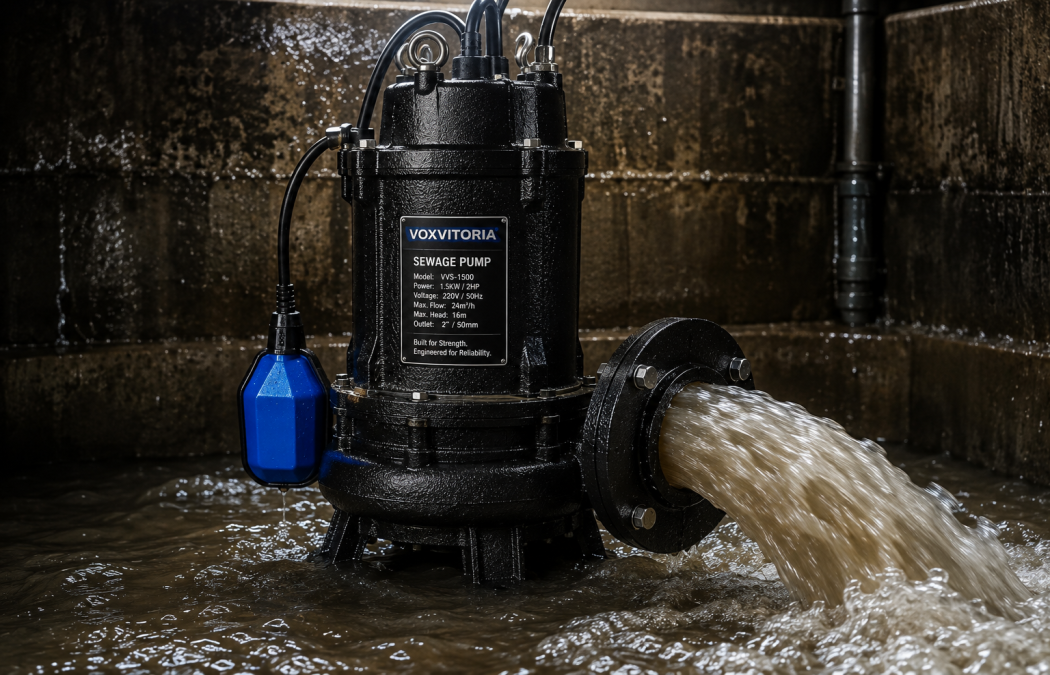
A sewage pump is one of those pieces of equipment that most people never think about—until it stops working.
One day everything is fine. Toilets flush normally, wastewater flows away without any issues, and there are no unpleasant odours.
Then suddenly, your bathroom drain becomes slow, the toilet starts backing up, a foul smell fills the building, or worse, wastewater begins to overflow.
Whether you own a residential property, hotel, hospital, shopping complex, school, restaurant, factory, or estate, a faulty sewage pump can quickly disrupt normal operations and lead to expensive repairs if ignored.
The good news is that many sewage pump problems show warning signs before complete failure. Recognising these early symptoms can save you thousands of naira in repair costs and prevent unnecessary downtime.
In this guide, we’ll discuss the most common sewage pump problems, what causes them, how to troubleshoot them safely, and when it’s time to call a professional.
How to Know Your Sewage Pump Has a Problem
Before a sewage pump completely fails, it often gives subtle warning signs.
Watch out for:
Slow drainage throughout the building
Toilets backing up
Unusual noises from the pump
Continuous running
Frequent electrical trips
Strong sewage odours
Water overflowing from the pump chamber
Vibrations that were not present before
Higher-than-normal electricity consumption
Ignoring these signs usually allows a minor problem to become a major repair.
Problem 1: Sewage Pump Not Starting
One of the most common complaints property owners have is:
“My sewage pump won’t start.”
When this happens, wastewater cannot leave the collection pit, causing the water level to rise.
Possible Causes
Several issues may prevent a sewage pump from starting.
Power Failure
Always check whether electricity is available.
A power outage or disconnected power supply is one of the simplest explanations.
Tripped Circuit Breaker
A protective breaker may have tripped because of overload or an electrical fault.
Resetting the breaker once may solve the problem.
However, if it trips repeatedly, do not continue resetting it. There is likely an underlying issue that requires professional diagnosis.
Faulty Float Switch
The float switch tells the pump when to turn on.
If it becomes stuck, damaged, or disconnected, the pump may never receive the signal to start.
Motor Failure
Over time, motors can wear out due to age, overheating, moisture ingress, or excessive operation.
Loose Electrical Connections
Damaged wiring or loose terminals can interrupt power to the motor.
What You Can Do
✔ Confirm there is power.
✔ Check the breaker.
✔ Inspect the float switch if it is safe to do so.
✔ Listen for any signs of motor activity.
✔ Contact a qualified technician if the pump remains inactive.
Never dismantle electrical components while power is connected.
Problem 2: The Pump Is Humming but Not Pumping
This problem confuses many property owners.
You can hear the motor humming, but wastewater isn’t moving.
What Causes This?
Jammed Impeller
The impeller is responsible for moving wastewater.
Foreign objects may prevent it from rotating.
Common culprits include:
-Baby wipes
-Cloth
-Plastic bags
-Sanitary pads
-Diapers
-Rope
-Hair
-Stones
Seized Bearings
Old bearings may prevent the motor shaft from rotating freely.
Low Voltage
In many parts of Nigeria, unstable voltage can prevent the motor from developing enough torque to start properly.
Faulty Capacitor (Single-Phase Pumps)
A failed capacitor can cause the motor to hum without rotating.
Recommended Solution
Turn off the power immediately.
Continuing to operate a humming pump can burn out the motor completely.
A technician should inspect the impeller, bearings, capacitor, and electrical supply before restarting the pump.
Problem 3: The Pump Keeps Tripping the Circuit Breaker
Frequent electrical tripping should never be ignored.
The breaker is protecting your equipment from damage.
Common Causes
Overloaded Motor
The pump may be working harder than it was designed to.
Blocked Impeller
Debris increases motor load.
Electrical Short Circuit
Damaged insulation or moisture inside the motor may create an electrical fault.
Incorrect Voltage
Using the wrong electrical supply can overload the motor.
Worn Bearings
Mechanical resistance increases current draw.
How to Fix It
Stop using the pump immediately.
Repeatedly resetting the breaker without identifying the fault may permanently damage the motor.
Professional testing should include:
Insulation resistance
Motor current
Voltage supply
Bearing condition
Impeller inspection
Problem 4: Sewage Pump Is Blocked
Blockages are one of the leading causes of sewage pump failure.
Although many pumps are designed to handle solids, they are not designed to pump everything.
Items That Should Never Enter a Sewage Pump
Unfortunately, many people unknowingly flush items that should never enter the drainage system.
These include:
-Wet wipes (even “flushable” ones)
-Diapers
-Sanitary pads
-Cotton buds
-Cotton wool
-Plastic wrappers
-Cooking oil and grease
-Hair
-Mop strings
-Children’s toys
-Building debris
-Cement
-Sand
-Pieces of cloth
These materials wrap around the impeller, restrict flow, and force the motor to work much harder than intended.
How to Prevent Blockages
Educate everyone using the facility.
Install suitable strainers where necessary.
Schedule routine inspections before debris accumulates.
Preventing a blockage is almost always cheaper than repairing a damaged pump.
Problem 5: Bad Smell Around the Sewage Pump
A sewage pump should not constantly produce unpleasant odours.
Persistent smells usually indicate a problem.
Possible Causes
-Wastewater Remaining in the Pit Too Long
-Poor circulation encourages bacterial growth.
Pump Not Operating Properly
Wastewater may not be leaving the pit efficiently.
Poor Ventilation
Sewage gases require proper venting.
Build-up of Organic Waste
Accumulated sludge creates unpleasant smells.
Damaged Pipe Connections
Leaks may allow sewage gases to escape.
How to Solve the Problem
-Inspect the pump operation.
-Clean the pit.
-Check the vent system.
-Inspect discharge pipe connections.
-Arrange professional servicing if the smell persists.
Problem 6: Pump Runs Continuously
A pump should cycle on and off.
If it never stops, something is wrong.
Possible causes include:
-Float switch stuck
-Water leaking back through a faulty check valve
-Undersized pump
-Excessive wastewater entering the system
-Control panel fault
-Continuous operation increases electricity bills and dramatically shortens pump life.
Problem 7: Pump Cycles On and Off Too Frequently
Rapid cycling is another common issue.
It may result from:
-Incorrect float switch settings
-Small pump chamber
-Oversized pump
-Faulty control system
-Frequent starts place unnecessary stress on the motor.
Problem 8: Excessive Noise and Vibration
No sewage pump operates silently.
However, loud knocking, grinding, or excessive vibration usually indicates:
-Loose mounting bolts
-Worn bearings
-Damaged impeller
-Cavitation
-Misalignment
Ignoring these sounds can result in catastrophic failure.
Problem 9: Reduced Pumping Performance
Sometimes the pump still works but appears much slower than before.
Possible causes include:
-Partial blockage
-Worn impeller
-Pipe restriction
-Air lock
-Motor wear
Reduced performance often develops gradually, making it easy to overlook until wastewater begins backing up.
Problem 10: Frequent Overflow of the Sewage Pit
Overflow is one of the most serious warning signs.
Possible causes include:
-Pump failure
-Float switch failure
-Blocked discharge pipe
-Power outage
-Pump too small for demand
Overflow should be treated as an emergency to avoid property damage and health risks.
Preventive Maintenance Tips
Many sewage pump failures can be avoided through routine maintenance.
A simple maintenance programme should include:
-Inspecting the pump monthly
-Cleaning the sump pit
-Testing float switches
-Checking electrical connections
-Inspecting discharge pipes for leaks
-Verifying the operation of the non-return valve
-Listening for unusual noises
-Monitoring vibration levels
-Removing accumulated debris
-Scheduling professional servicing at regular intervals
Preventive maintenance costs far less than emergency repairs or complete pump replacement.
When Should You Call a Professional?
Some issues can be identified visually, but many require specialised equipment and technical knowledge.
Contact a qualified sewage pump technician if:
-The pump refuses to start
-The breaker trips repeatedly
-You notice burning smells
-Wastewater is overflowing
-The motor overheats
-The pump vibrates excessively
-Electrical components have been submerged
-Performance suddenly drops
Attempting major repairs without the right expertise can create additional damage and safety risks.
Why Professional Diagnosis Saves Money
Many property owners replace an entire pump when only a float switch, capacitor, bearing, or control component has failed.
A proper inspection identifies the real cause of the problem, preventing unnecessary replacement costs and reducing downtime.
At VoxVictoria Services Limited, we don’t just replace pumps—we diagnose the entire wastewater system. Our engineers assess the pump, electrical controls, pipework, float switches, valves, and operating conditions to recommend the most effective and cost-efficient solution.
Whether you manage a home, estate, hotel, hospital, factory, school, or commercial property, our team provides professional sewage pump supply, installation, maintenance, troubleshooting, repairs, and replacement services tailored to your needs.
Frequently Asked Questions (FAQs)
Why is my sewage pump humming but not pumping?
This usually indicates a jammed impeller, a faulty capacitor (on single-phase pumps), seized bearings, or low voltage. Turn off the pump and have it inspected before further operation.
Why does my sewage pump keep tripping the breaker?
Frequent tripping may result from an overloaded motor, electrical faults, moisture ingress, blocked impellers, or incorrect voltage. Repeatedly resetting the breaker without diagnosing the problem can cause further damage.
Can a blocked sewage pump damage the motor?
Yes. A blockage forces the motor to work harder, causing overheating and potentially leading to premature motor failure.
Why does my sewage pump smell bad?
Persistent odours often indicate stagnant wastewater, poor ventilation, sludge build-up, leaks, or a pump that is not operating efficiently.
How often should a sewage pump be serviced?
For most residential systems, an annual professional inspection is recommended. Commercial and high-use facilities may require more frequent servicing depending on usage and operating conditions.
Conclusion
A sewage pump is one of the hardest-working components of any wastewater system, yet it often receives attention only after something goes wrong. By recognising early warning signs such as unusual noises, humming motors, frequent breaker trips, blockages, bad smells, or reduced pumping performance, you can address minor issues before they turn into costly emergencies.
Regular maintenance, proper use, and timely professional inspections will help extend the life of your sewage pump, improve reliability, and protect your property from sewage backups.
If your sewage pump is showing signs of trouble, don’t wait for a complete breakdown. VoxVictoria Services Limited provides expert sewage pump inspection, repair, maintenance, installation, and replacement services across Nigeria. Our experienced engineers are committed to delivering reliable wastewater solutions that keep homes, businesses, and industrial facilities operating safely and efficiently.